

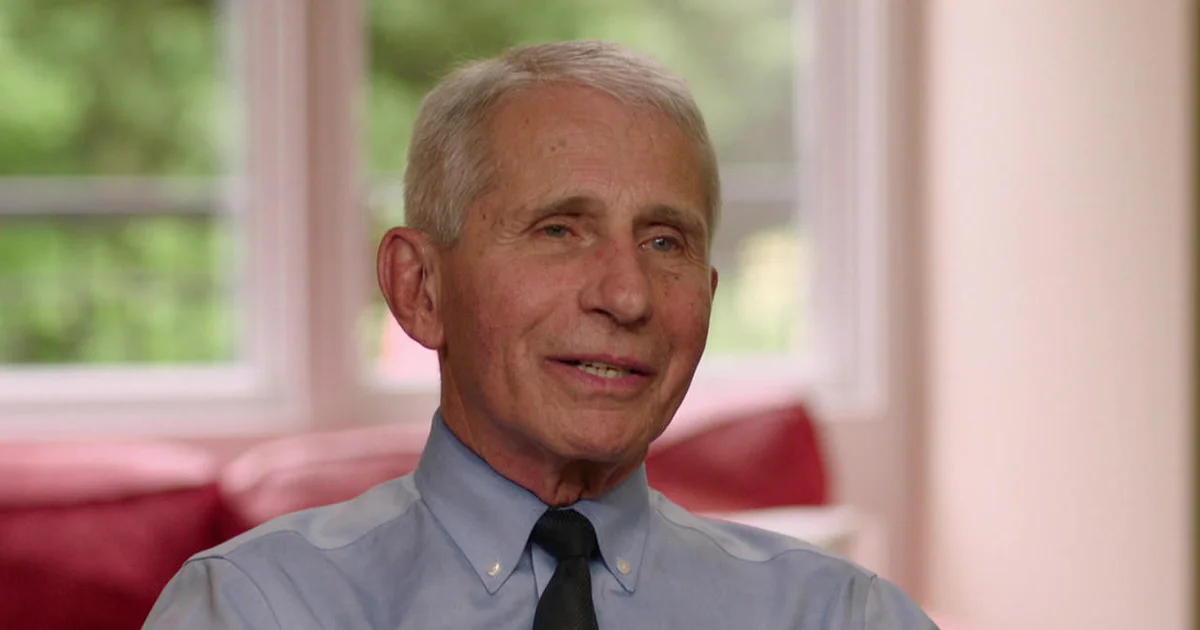

Dr. Anthony Fauci’s journey through the realms of public health has been marked by remarkable dedication and resilience. Born and raised in Brooklyn, New York, Fauci became a prominent figure in the battle against infectious diseases, serving under seven presidents over several decades. His new memoir, “On Call: A Doctor’s Journey in Public Service,” chronicles a life spent at the forefront of two major pandemics: AIDS and COVID-19, highlighting his steadfast commitment to healthcare and public service.
| Article Subheadings |
|---|
| 1) Early Life and Influences |
| 2) Fighting Stigma in Healthcare |
| 3) Collaborations and Challenges |
| 4) Controversies and Criticism |
| 5) Personal Reflections and Legacy |
Early Life and Influences
Dr. Anthony Fauci was born in the 1940s and grew up in the Dyker Heights neighborhood of Brooklyn, New York. His father ran a local pharmacy, providing Fauci with a unique perspective on healthcare from an early age. He often reminisces about those formative years, stating,
“They called him Doc,” referring to his father, who served not only as a pharmacist but also as a confidante to the community.
This blend of professional care and personal interaction undoubtedly shaped Fauci’s ethos of service to others.
His upbringing was steeped in values that prioritized empathy and community welfare, solidified through a Jesuit education. Despite growing up in a conservative household, Fauci’s commitment to helping marginalized communities became a defining part of his career. The principles instilled in him during childhood helped refine his approach to healthcare during challenging times.
Fighting Stigma in Healthcare
One of the most significant challenges in Dr. Fauci’s career emerged with the onset of the AIDS epidemic in the early 1980s. Attention shifted swiftly from a life-threatening diagnosis to widespread stigma against those affected. Fauci faced scrutiny as he advocated for funding and research to combat the disease. As he stated,
“Although empathy for AIDS patients was in short supply, I used my position to lobby for resources and attention.”
This advocacy was not without backlash, as many in the community were critical of science and healthcare responses to the epidemic.
Fauci’s sensitivity toward those affected by the disease was noteworthy; he dedicated his career to shatter stigma and fight for those who were often ostracized by society. He remarked how societal prejudices regarding LGBTQ+ individuals hampered early efforts to address the disease. The compassion ingrained in him motivated him to confront these biases head-on, believing in the worth of every individual.
Collaborations and Challenges
Throughout his time at the National Institutes of Health (NIH), Fauci worked closely with various administrations, establishing connections with multiple presidents. Under President George W. Bush, he initiated a landmark AIDS program that ultimately saved millions of lives globally. His ability to navigate political landscapes proved pivotal in garnering crucial resources for infectious disease research.
Fauci also collaborated with President Bill Clinton to create the NIH’s Vaccine Research Center, which later laid the groundwork for the rapid development of COVID vaccines during the Trump administration. However, the relationship with the Trump administration faced considerable strain when public messaging regarding mask-wearing became politicized during the pandemic. Fauci’s dismay with President Trump’s actions became evident when he observed,
“That was a missed opportunity for clear leadership in a crisis situation.”
Fauci’s struggles were representative of broader challenges in public health communication amidst a polarized political climate.
Controversies and Criticism
As COVID-19 unraveled into a global crisis, Fauci found himself at the center of heated debates and controversy. The split in public opinion often aligned with party lines, leading to mounting criticism and threats directed towards him personally.
“No, not credible death threats where a person is arrested who was clearly intending to kill you,” Fauci stated, echoing the unprecedented nature of such experiences during his career.
The broader implications illustrated the tension within the public health community, as misinformation and disinformation exacerbated public distrust toward health officials.
One critical area of scrutiny involved the origins of the virus responsible for the COVID-19 outbreak. Questions arose regarding the NIH’s funding of research at the Wuhan Institute of Virology, leading to speculation that American taxpayer dollars may have inadvertently contributed to the pandemic. Fauci firmly defended the integrity of scientific research, communicating that claims of manipulating the virus were baseless. He clarified,
“What is absolutely 100% certain is that the viruses studied under the NIH grant could not have turned into SARS-CoV-2 even if they tried.”
Personal Reflections and Legacy
Reflecting on his long career, Fauci addressed questions about regrets and lessons learned. He expressed no regrets over his choices, acknowledging that while he could have approached some situations differently, he firmly believes in the importance of making impactful choices rooted in science. In his words,
“You go with what your best is, and if you make a mistake, you try to correct it.”
This humility encapsulates his journey as both a scientist and a public servant.
Fauci’s memoir serves as a testament to a life dedicated to healthcare, evolving through trials and tribulations. His influence resonates not only within the scientific community but also in the broader public sphere as an advocate for science-driven policies and compassion in healthcare. The path he carved out emphasizes the necessity of empathetic leadership, particularly in troubling times.
| No. | Key Points |
|---|---|
| 1 | Dr. Anthony Fauci was raised in Brooklyn, New York, where his father owned a pharmacy. |
| 2 | Fauci became a prominent figure combating the AIDS epidemic and COVID-19. |
| 3 | He worked closely with seven U.S. presidents over several decades on public health issues. |
| 4 | Fauci faced significant criticism and personal threats during the COVID-19 pandemic. |
| 5 | His memoir reflects on his career, focusing on empathy and science in healthcare. |
Summary
Dr. Anthony Fauci’s lifelong commitment to public health places him as a pivotal figure in the narratives surrounding two major pandemics. His experiences provide valuable lessons about empathy, advocacy, and the need for scientifically grounded responses in healthcare. As controversies continue to surround his career, Fauci’s reflections serve as both a reminder and a beacon of hope for those working to navigate similar challenges in the public health landscape.
Frequently Asked Questions
Question: What are the main themes in Dr. Fauci’s memoir?
Dr. Fauci’s memoir highlights themes of empathy, resilience, and the importance of science in public health, detailing his journey through the AIDS epidemic and the COVID-19 pandemic.
Question: How did Fauci contribute to addressing the AIDS crisis?
Dr. Fauci advocated for funding and resources during the AIDS epidemic, working closely with presidents to bring attention and action to the neglected health crisis affecting many marginalized communities.
Question: What challenges did Fauci face during the COVID-19 pandemic?
He faced significant public criticism, political pushback, and personal threats as the pandemic unfolded, showcasing the polarized nature of public health responses in contemporary society.
