

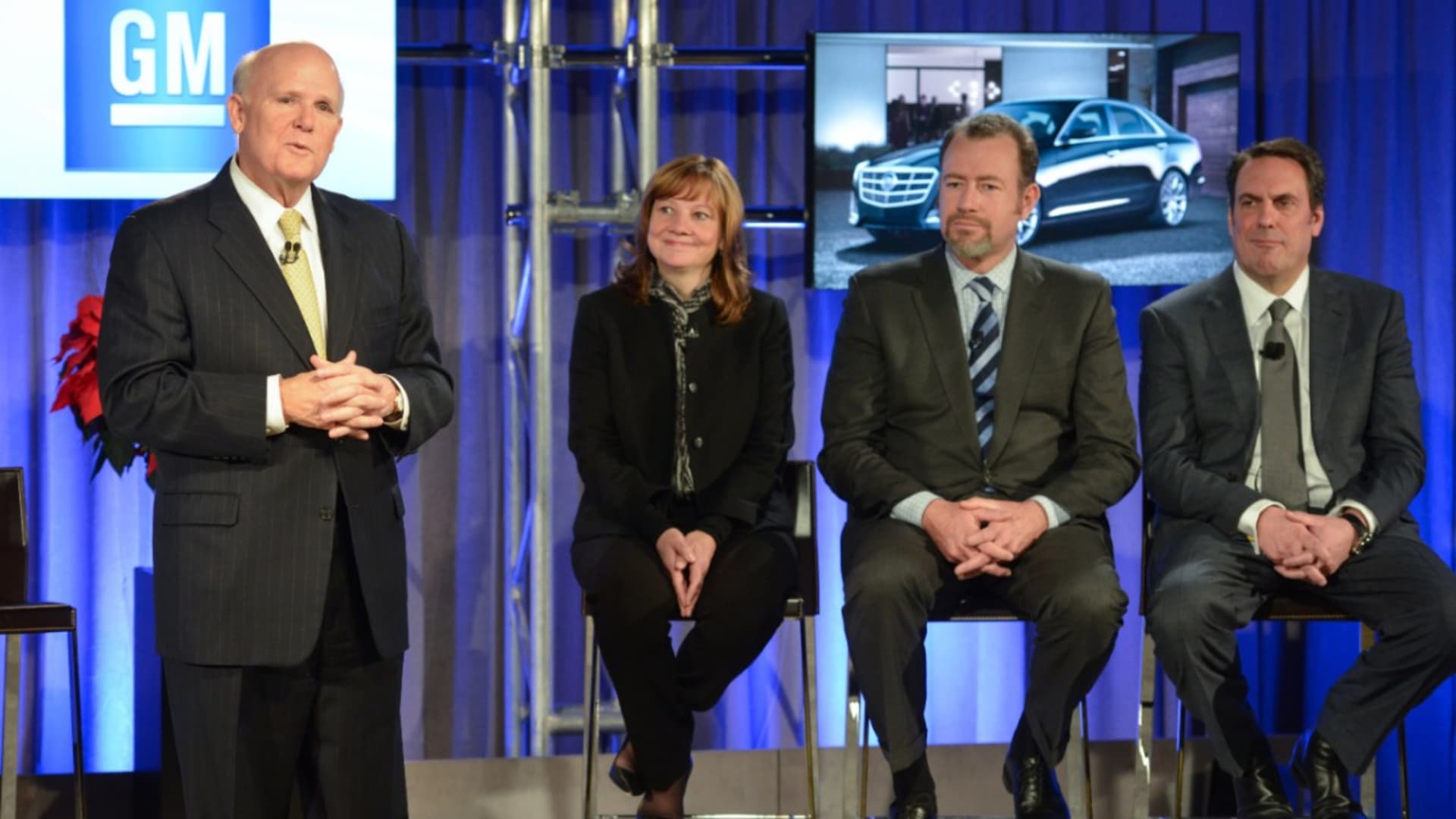

The future of General Motors (GM) is a topic of intense discussion as CEO Mary Barra prepares to potentially step down, prompting conversations about her succession within the company. Former CEO and Chairman Dan Akerson has candidly shared insights on the complexities of finding Barra’s successor, noting that the automotive industry faces numerous challenges, including advances in artificial intelligence and the rise of electric and autonomous vehicles. With GM currently engaging an executive search firm to explore both internal and external candidates, the implications of this transition could significantly impact the company’s direction.
| Article Subheadings |
|---|
| 1) The Challenge of Finding a Successor for Mary Barra |
| 2) The Role of Internal and External Candidates |
| 3) Insights from Former CEO Dan Akerson |
| 4) GM’s Succession Planning Process |
| 5) Importance of Selecting the Right Successor |
The Challenge of Finding a Successor for Mary Barra
As General Motors navigates a transformative period in the automotive sector, the search for a successor to Mary Barra is increasingly critical. Barra has been at the helm of GM since January 15, 2014, marking her tenure as the first female CEO of a major automaker. Her trailblazing leadership has been characterized by significant milestones, including the company’s shift towards electric vehicle production and digital transformation. However, the path to replacing her poses a daunting challenge, as highlighted by former CEO Dan Akerson.
Akerson, who recommended Barra’s promotion in 2013, emphasized her unique qualifications and the complexities of identifying a leader who possesses both the depth of experience and visionary capabilities needed for the rapidly evolving automotive landscape. “It’s going to be tough,” Akerson stated during a recent interview. The automotive industry is experiencing unprecedented changes, from the integration of artificial intelligence in vehicle manufacturing to the increasing competition from global players, particularly from China.
The Role of Internal and External Candidates
Amidst discussions on succession, GM is reportedly collaborating with an executive search firm to explore both internal and external candidates for the CEO position. This dual approach raises questions about the potential risks and benefits of hiring from within versus looking for leaders outside the organization. In the past, the automotive industry has shown a preference for promoting internal candidates, as they are often more familiar with company culture and operational intricacies.
Akerson commented on this topic, noting the significant advantage that internal candidates have. “Is there anybody in the organization that has that background that you know better day to day over a period of time? You may be taking a risk by bringing in an outsider,” he explained. This sentiment underscores the importance of evaluating the internal talent pool, particularly when executives like GM Chief Product Officer Sterling Anderson, CFO Paul Jacobson, and President Mark Reuss are considered viable options.
Insights from Former CEO Dan Akerson
In reflecting on GM’s leadership dynamics, Akerson conveyed his belief that the complexity of Barra’s successor’s role exemplifies the broader challenges faced by the automotive industry today. He observed that the automotive landscape is “going to be very, very dynamic” due to rapid changes in technology and consumer preferences. The rise of electric vehicles and advancements in autonomous driving technology are critical issues that future leaders must be prepared to tackle.
Akerson’s insights provide a valuable perspective on the evolving expectations for leadership in automotive companies. As he pointed out, a future CEO must not only have operational expertise but also the ability to innovate and adapt to industry changes. His reflections on Barra’s leadership effectiveness serve as a benchmark against which potential candidates will be measured in the selection process.
GM’s Succession Planning Process
The formal process of succession planning at GM is intended to be thorough and systematic. According to company disclosures, the board assesses potential successors and engages in discussions regarding their developmental trajectories at least on an annual basis. This process is led by Patricia Russo, an influential board member who has been with GM since 2009 and serves as the independent lead director responsible for CEO succession planning.
Barra’s involvement in this process is crucial; she provides assessments and recommendations regarding potential successors to the board. This collaborative approach ensures that candidates are evaluated comprehensively, with opportunities for direct interactions between board members and executive talent. The aim is to foster an environment where the leadership capabilities of internal prospects can be adequately tested and vetted over time.
Importance of Selecting the Right Successor
As the automotive industry continues to evolve rapidly, the selection of Barra’s eventual successor carries substantial implications for GM’s future strategies and market position. Akerson asserted that the right choice is critical not only for the company’s immediate success but also for preserving Barra’s legacy as a transformative leader. “This is important. I think if she doesn’t pick the right person, in four or five years from now and things are back in the trough, that will tarnish her history,” he warned.
Given the competitive landscape and the challenges ahead, the board’s ability to identify a suitable leader will be paramount for ensuring a smooth transition and continued progress in GM’s strategic goals. The significance of this succession process cannot be understated, as it holds the potential to influence the trajectory of one of the largest automakers globally, making it a focal point for industry analysts and stakeholders alike.
| No. | Key Points |
|---|---|
| 1 | GM is actively seeking a successor for CEO Mary Barra, who has held the position since 2014. |
| 2 | Former CEO Dan Akerson highlights the challenges of finding an effective leader amid industry transitions. |
| 3 | The company is exploring both internal and external candidates, weighing potential risks of each approach. |
| 4 | Succession planning at GM involves annual assessments and recommendations from Barra to the board. |
| 5 | Choosing the right successor is pivotal for maintaining the company’s trajectory and honoring Barra’s legacy. |
Summary
The succession planning at General Motors underscores a significant challenge for the automotive giant as it prepares for a leadership transition. With Mary Barra having set a high standard for leadership, the search for her successor will be crucial not only for GM’s stability but also for its ability to navigate the complex automotive landscape. As industry dynamics evolve and new technologies emerge, the complexities of this transition will undoubtedly impact General Motors for years to come.
Frequently Asked Questions
Question: Who is Mary Barra?
Mary Barra is the CEO of General Motors, having assumed the role in January 2014. She is recognized as the first female CEO of a major automaker.
Question: What challenges does GM face in succession planning?
GM faces considerable challenges in succession planning, including identifying a leader who can navigate the rapid changes in the automotive industry, such as digitalization and competition from electric vehicle manufacturers.
Question: How does GM approach succession planning?
GM’s succession planning process includes yearly assessments of potential CEO candidates, with the current CEO providing recommendations and evaluations to the board of directors.
